
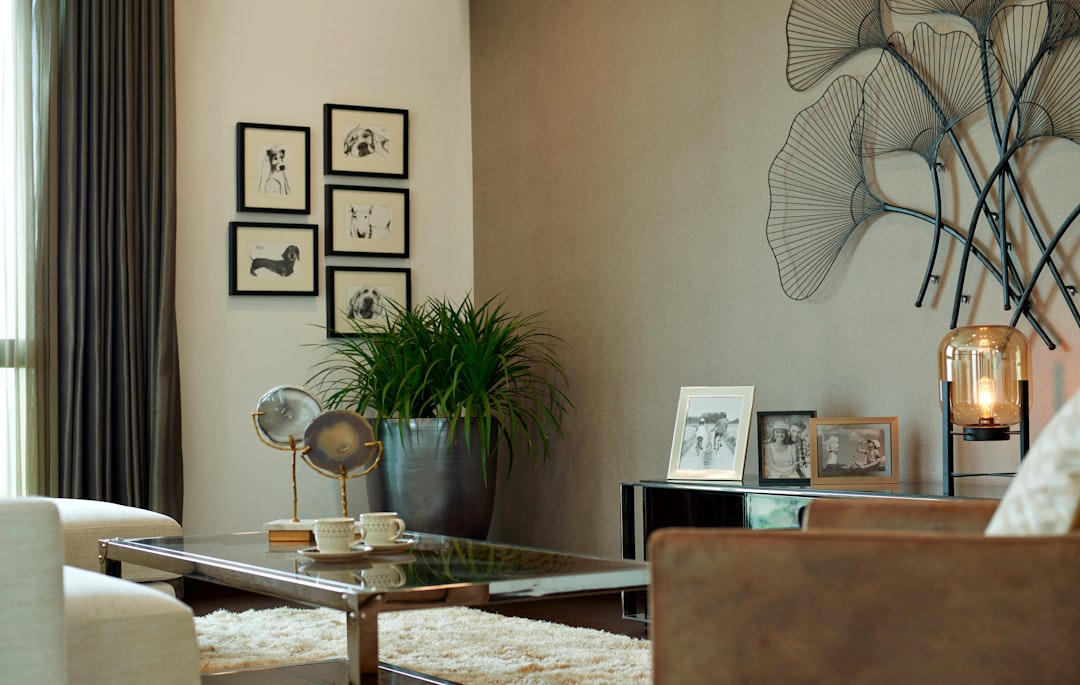
Small changes can make a home feel like it belongs in a design magazine. You don’t need a big budget or a full renovation—intentional choices, better scale, and consistent finishes deliver a more expensive look with less effort. Start by focusing on what people notice first: furniture proportions, surfaces, and thoughtful accessories.
Before you shop, decide the mood and constraints for each room. Browse a curated category like Home Decor to get a sense of textures and colors that feel elevated, then apply those ideas room by room.
Plan around scale and sight lines
Rooms read as expensive when furniture and decor are sized correctly. Measure key sight lines—the distance from the door to the focal wall, sofa-to-TV spacing, and the path through high-traffic areas. Avoid undersized rugs and low coffee tables that make a room feel unanchored. Use large-scale art or a substantial mirror instead of many tiny pieces; one well-placed item reads as intentional, not cluttered.
Invest in a few key furniture pieces
Prioritize quality where it matters most: the sofa, dining table, and a statement bed. These are the pieces people interact with daily and that set the tone for the whole room. Shop by category to compare styles and construction—look for solid frames, dense cushions, and timeless lines in the Furniture selection so the pieces feel like long-term investments rather than fast decor.
Choose a sofa that anchors the room
A good sofa does more than provide seating—it defines the living space. Neutral upholstery in a durable, textured fabric looks refined and hides wear. Consider clean silhouettes with a subtle welt or tapered legs. If space allows, select from the Sofas & Sectionals category for options that create a cohesive, gallery-like living area rather than a mismatched arrangement.
Layer textiles and lighting for depth
Layering is how designers add richness without a big budget. Combine a large rug, a few throw pillows in different fabrics, and a cozy blanket. Use three types of lighting—ambient (overhead), task (reading lamps), and accent (table or wall lamps)—to create depth and highlight textures. Choose fabrics in natural weaves and avoid too many competing patterns; a restrained palette with deliberate pops reads expensive.
Add accent seating and thought-out details
An accent chair or ottoman can uplift a corner and balance the room. Choose pieces with a sculptural profile or luxe fabric so they read like intentional design choices. Replace mismatched stools or folding chairs with well-proportioned options—browse Accent Chairs & Ottomans to find pieces that add both function and flair. Even a small, well-chosen seat communicates care in styling.
Accessorize with curated accents
Less is more: group curated objects in sets of odd numbers and leave breathing room around them. A trio of items on a mantel or a single sculptural vase on a console reads as editorial, not cluttered. Choose accents with quality finishes—metal, blown glass, or ceramic—and mix heights for dynamic displays. For easy updates, explore the Vases & Accent Pieces collection to find pieces that elevate tabletops and shelves without overwhelming your budget.
Use art, mirrors, and window treatments to add polish
Properly hung art and layered window treatments give rooms an immediate lift. Hang art so its center sits at eye level and use frames with consistent finishes for cohesion. Mirrors multiply light and expand perceived space—position them across from windows. Floor-to-ceiling curtains make ceilings read taller; choose a quality rod and neutral fabric. For a one-stop selection, the Wall & Window Decor section has options to quickly refine proportions and finishes.
Style the kitchen and dining like a boutique
Small kitchens read expensive when they’re organized and intentional. Clear the clutter, group essentials, and use a few elevated pieces on open shelves or the counter. Swap mismatched flatware and everyday dishes for cohesive sets when guests come—an organized countertop and a styled dining table look sophisticated without renovation. Browse Kitchen Decor for simple updates like elegant canisters, trays, or centerpiece pieces that make daily spaces feel special.
Keep finishes consistent and maintain a clean look
Consistency in finishes—pick brass, matte black, or nickel and repeat it across hardware, lighting, and small accents—creates cohesion and a higher-end feel. Equally important: maintenance. Clean surfaces, dusted frames, and vacuumed rugs keep the home looking crisp. Stock up on essentials from the Cleaning Supplies category so your space always looks like it’s cared for.
- Measure rooms and buy rugs and furniture to scale.
- Prioritize quality for the sofa, bed, and dining table.
- Limit patterns; layer textures and neutrals for depth.
- Curate accessories; group in odd numbers and vary heights.
- Use large art or mirrors and full-length curtains to add height.
- Keep finishes consistent and maintain a clean, polished appearance.
FAQ
- How do I make a small room look more expensive?
Use a large rug to define the space, keep furniture to scale, hang curtains from ceiling to floor, and choose one statement piece rather than many small items. - Which area should I invest in first?
Start with the anchor pieces: a sofa for living areas, a bed for bedrooms, and a sturdy dining table. These items shape the room’s style and function. - Can inexpensive accessories still look high-end?
Yes—choose accessories with refined finishes and group them thoughtfully. A well-composed vignette often reads better than a crowded surface of small items. - How important is color coordination?
Very. A restrained palette with one or two accent colors creates cohesion. Use texture and finishes to add interest rather than relying on many competing hues. - What quick updates have the biggest impact?
Swap out dated hardware, add full-length curtains, update lighting, and declutter surfaces. These changes are affordable and instantly noticeable.
Designing a home that feels more expensive is about editing, scale, and consistency. Focus on a few investment pieces, layer textiles and lighting, curate accessories, and keep finishes cohesive. With those strategies you’ll create rooms that feel considered and comfortable without overspending.