
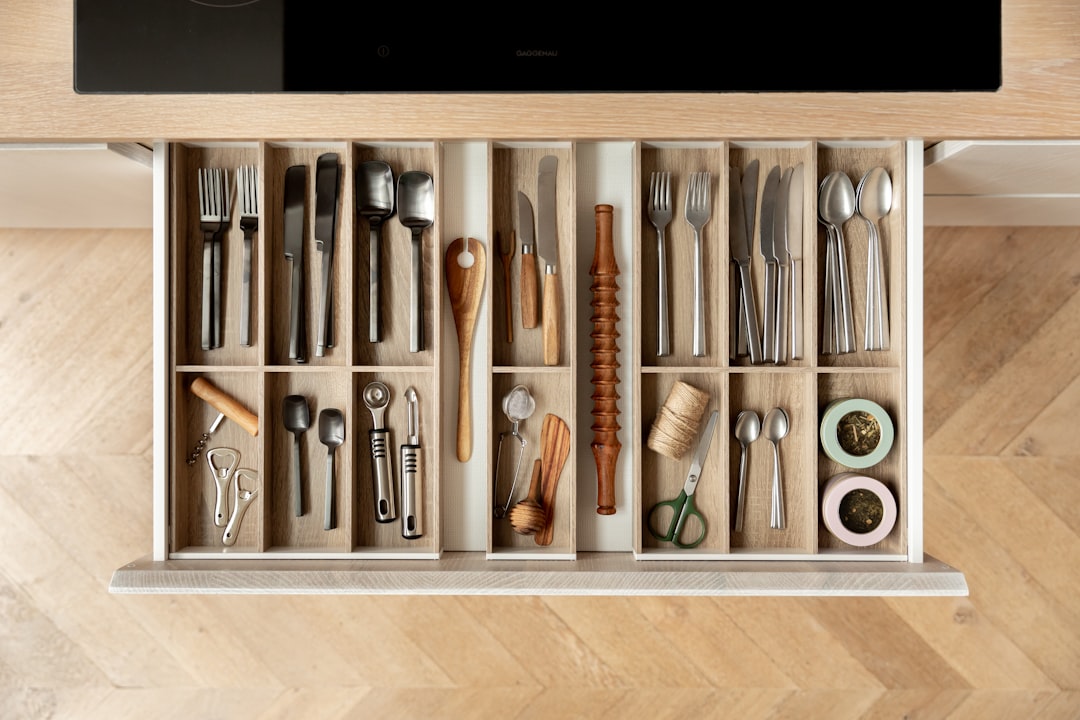
A well-organized set of kitchen drawers saves minutes every time you prep a meal. With a deliberate layout, clear zones, and the right organizers, you’ll move from fridge to plate faster and with less stress.
This guide walks through practical, step-by-step strategies to sort, measure, and outfit your drawers so meal prep becomes smoother. Use the short checklist and FAQs at the end to turn ideas into action tonight.
1. Start by decluttering and categorizing
Empty each drawer completely and sort contents into five piles: keep, relocate, donate, trash, and unsure. Be ruthless about duplicates—if you haven’t used an item in six months, it usually doesn’t belong in a prep drawer. Group similar items (measuring spoons, peelers, spatulas) so you can see patterns and plan zones.
2. Measure drawers and make a map
Measure internal drawer length, width and depth, and note soft-close or dovetail details. Draw a simple map of your kitchen (or take photos) indicating which drawers are nearest the stove, sink, and refrigerator. Assign each drawer a primary function—prep, utensils, storage, or junk drawer—based on proximity to where tasks happen during cooking.
3. Use adjustable organizers and dividers
Invest in modular organizers sized to your measurements so trays, inserts, and bins nest without wasted space. Look for adjustable or expandable systems that let you change the layout seasonally. A dedicated Kitchen storage section offers options that keep spices, wraps, and flatware separated and stable when opening drawers.
4. Create utensil and task zones
Organize utensils by task, not by type: a prep drawer for peelers, zesters, and measuring tools; a cooking drawer for spatulas and tongs; a baking drawer for whisks and rolling pins. Place high-use prep tools in the drawer closest to your main prep surface. Consider keeping a small set of everyday cutlery in your main prep area and reserving nicer sets elsewhere; check the Flatware options if you need a compact, service-for-four you rotate into use.
5. Store knives and cutlery safely
Knives deserve a dedicated solution—blade guards or built-in wooden inserts are safer than piling blades together. If you do keep a knife drawer, use a labeled insert that prevents blades from sliding. For specialized pieces like carving or steak knives, place them in a less-accessible drawer to reduce accidents. Browse smart choices in the Cutlery collection if you need replacement knife sets or protective covers.
6. Essential tools and small gadgets — what to keep in drawers
Keep frequently used small tools in shallow drawers so they’re visible at a glance: can opener, measuring cups, citrus juicer, and a good set of funnels for transferring liquids into bottles. Compact items like funnels are perfect drawer tools; consider a set such as the KongNai Kitchen Funnel Set 4 Pack for nested storage. For specialty items and occasional tools, create a single “occasionals” box so they don’t clutter daily drawers—browse the broader collection of Tools & Gadgets to replace or upgrade single-use items.
7. Design a prep-zone drawer and manage waste
Place a prep drawer between sink and stove containing frequently used tools, plastic wrap, aluminum foil, small bowls, and a towel. Keep trash and compost access quick—either a nearby pull-out bin or an easy-to-open standalone. If you’re planning a dedicated spot for a stylish or sensor bin, check the Trash Cans options to find sizes and styles that fit your layout and make clean-up faster.
8. Smart storage for lids, containers and leftovers
Store food containers and lids where you store leftovers or near the fridge to reduce back-and-forth. Stackable, locking containers reduce spills and make grab-and-go simpler. For a durable set that nests well and keeps lids organized, consider the Amazon Basics Glass Locking Lids Food Storage Containers 20-Piece Set. Keep lids in a vertical divider so you can reach the right size without unfolding a mess.
9. Maintain drawers with quick cleaning routines
Wipe drawers monthly and clear crumbs after messy prep sessions. Keep a small microfiber cloth and a multi-surface cleaner nearby so maintenance is a one-minute task after cooking. When full cleaning is needed or you want replacement liners, check the Cleaning Supplies options for cloths and safe cleaners that work on wood, laminate, and metal drawer interiors.
Quick checklist
- Empty and sort each drawer into keep/relocate/donate/trash.
- Measure drawer interior and map drawer roles (prep, cooking, baking, storage).
- Install modular organizers and liners to prevent shifting.
- Group utensils by task and place high-use items nearest the main prep area.
- Store knives with blade guards or dedicated inserts.
- Keep lids vertical and containers stacked near the fridge.
- Schedule a 5-minute weekly drawer sweep to maintain order.
FAQ
-
Q: How often should I reorganize drawers?
A: Do a light re-sort monthly and a full declutter every 3–6 months, or when seasonal tools change (e.g., summer grilling gear vs. holiday bakeware).
-
Q: How do I keep small items from disappearing in deep drawers?
A: Use small bins or labeled trays, and arrange items front-to-back by frequency. Clear-top organizers help you spot contents quickly.
-
Q: Is it safe to store knives in drawers?
A: Yes, if you use blade guards or a knife tray that secures blades. Loose knives are a hazard—don’t pile them together.
-
Q: What’s the best way to store plastic wrap, foil, and zip bags?
A: A narrow drawer near prep or the stove is ideal; use a divider so rolls and boxes don’t tumble and label compartments if you share the kitchen.
-
Q: How can I make a single-drawer “launch pad” for busy nights?
A: Combine plates to-go, lids, napkins, a basic utensil set, and a small dish towel in one drawer near the exit or pass-through—this speeds up plating and carrying food out.
Conclusion
Organizing your kitchen drawers for faster meal prep is mostly about making deliberate choices: measure, assign zones, choose adjustable organizers, and keep frequently used items within arm’s reach. Start with one drawer tonight—after one simple reorganization you’ll notice time saved and less friction during every meal.
Products Featured in This Article

KongNai Kitchen Funnel Set 4 Pack, …
Food Grade Kitchen Accessories: Soft and flexible funnels for kitchen use, BPA Free. Heat resistant -40°C…
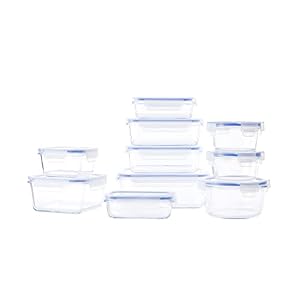
Amazon Basics Glass Locking Lids Fo…
Make sure this fits by entering your model number. 20-piece set includes 10 borosilicate glass bases…