
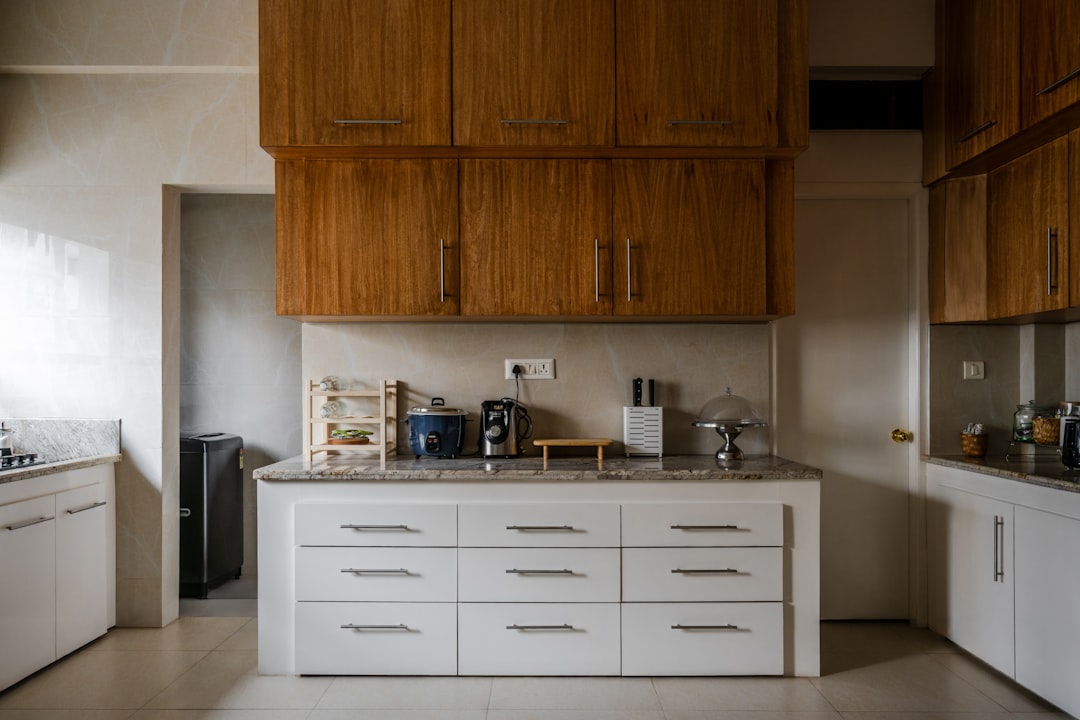
Best Ways to Organize Your Kitchen Cabinets Like a Pro
Well-organized cabinets transform a kitchen from chaotic to calm. The goal is to make the things you use daily easy to reach, keep less-used items out of the way, and design systems that are simple to maintain.
This guide walks through practical, actionable steps—decluttering, zoning, clever storage tactics, and the right products—to help you treat your cabinets like a pro would.
Start with a Cabinet Audit and Declutter
Begin by emptying one cabinet at a time and sorting every item into four piles: Keep, Relocate, Donate, Trash. Remove duplicates, items you haven’t used in a year, and single-purpose gadgets that collect dust. Working cabinet-by-cabinet prevents overwhelm and makes it easy to see where storage gaps exist.
Create Functional Zones
Assign cabinet zones based on tasks: prep, cooking, baking, dishes, and storage. Store plates and everyday glasses near the dishwasher for quick unloading; keep cooking oils, spices, and frequently used pans near the stove. For pantry-like organization and purpose-built containers, consider browsing Kitchen storage options that match your zone plan.
Maximize Vertical Space and Shelves
Use risers, stackable shelves, and slim cabinets to exploit vertical space. Tall, narrow solutions work especially well in gaps beside appliances or between counters. A product like the VECELO 4-Tier Tall Narrow Storage Cabinet is ideal where you need extra tiers for canned goods, baking sheets, or drinkware without sacrificing floor space.
Smart Drawer Management for Utensils and Flatware
Dedicate shallow drawers to flatware and frequently used utensils so you can pull everything out at once. Use adjustable dividers to customize compartments for the items you own. If you’re shopping for drawer-specific organizers or replacement sets, start with a category that focuses on Flatware and compatible inserts to ensure a tidy, accessible drawer layout.
Store Pots, Pans, and Bakeware Strategically
Pots and pans benefit from vertical or pull-out storage. Install a pull-out tray or use a pegboard-style insert to store lids vertically; nest pans by size with a divider to avoid scraping. Keep baking sheets and cutting boards on their sides in a slot organizer to save space. Browse durable options in the Cookware category for pieces that are easier to stack and maintain.
Use Clear Containers, Labels, and Consistent Lids
Swap mismatched packages for uniform, clear containers so you can see contents and gauge quantities at a glance. Use airtight glass or BPA-free plastic containers for pantry staples and label them with contents and expiration dates. A convenient set like the Amazon Basics Glass Locking Lids Food Storage Containers simplifies stacking and keeps everything fresh while making your cabinets look cohesive.
Organize Small Appliances and Tools
Store seldom-used appliances on higher shelves or in upper cabinets; keep daily-use items like the toaster or coffee maker on a dedicated counter zone. Use a designated cabinet or pull-out tray for blenders, mixers, and their attachments so cords and parts stay tidy. For specialty tools and compact helpers that belong in drawers or on shelves, check the Tools & Gadgets section. For appliance-focused storage and to choose items that fit your cabinet depths, the Appliances category is useful when planning where each device should live.
Designate a Trash & Recycling Station
Make room for a tidy waste area inside a cabinet or beside it. Use a slim pull-out bin or a touchless can to keep odors contained and hands-free. Installing a unit such as the iTouchless 13 Gallon SensorCan offers a hygienic, low-maintenance solution for your main waste stream while freeing cabinet space for other uses.
Small Checklist Before You Finish
- Declutter one cabinet at a time—keep only what you use.
- Group items by task and assign zones (prep, cook, bake, clean).
- Use vertical dividers and stackable shelves to multiply capacity.
- Standardize containers and label everything clearly.
- Reserve low drawers for heavy items, eye-level for daily use, high shelves for seasonal items.
- Keep a dedicated spot for lids, trays, and bakeware to avoid searching.
FAQ
Q: How often should I reorganize my cabinets?
A: Do a quick sweep quarterly and a deeper declutter once a year or when your habits change.
Q: What’s the best way to store lids?
A: Store lids vertically using a slotted divider or a pull-out rack so you can see and grab the right size easily.
Q: How do I stop cabinets from getting messy again?
A: Adopt a one-in, one-out rule, label spots for every item, and do a 5-minute tidy weekly to reset zones.
Q: Are clear containers better than labeled boxes?
A: Clear containers provide instant visual inventory; pair them with labels for expiration dates and batch info for the best results.
Q: Can I store appliances in cabinets safely?
A: Yes—store them unplugged with cords secured. Use pull-out trays for heavy items to reduce lifting and protect shelves.
Conclusion — A Practical Takeaway
Treat your cabinets as working systems: declutter first, then design zones, use vertical space, and invest in a few well-chosen organizers. Small changes—consistent containers, labeled zones, and a reliable trash station—deliver big daily wins in speed and calm. Start with one cabinet this weekend and build momentum—organized cabinets are built one smart decision at a time.
Products Featured in This Article

VECELO 4-Tier Tall Narrow Storage C…
Adjustable Shelving System: VECELO tall storage cabinet measures 14.57" W x 11.42" D x 65.35"H with…

iTouchless 13 Gallon SensorCan Touc…
Make sure this fits by entering your model number. 100% Touchless – Just the Motion of…
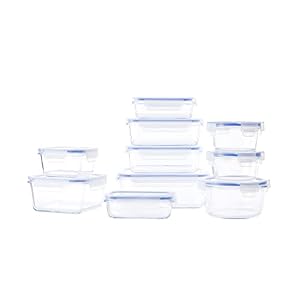
Amazon Basics Glass Locking Lids Fo…
Make sure this fits by entering your model number. 20-piece set includes 10 borosilicate glass bases…