
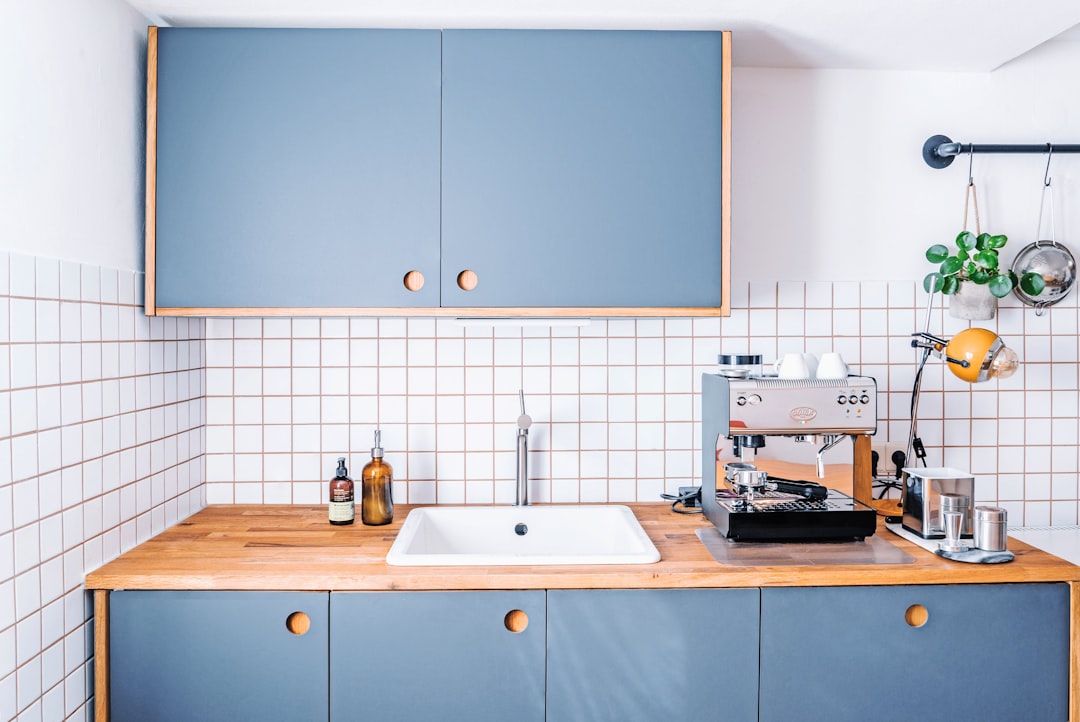
Small apartment kitchens demand practical solutions: limited counter space, tight cabinets, and the need to balance cooking, storage and cleanup. With intentional choices and a few space-smart products, you can create a kitchen that feels larger, works better and stays organized.
This guide offers clear, trustworthy strategies—layout tips, storage systems and product ideas—to help you make the most of every inch. Start by thinking vertically and functionally, then add tools and routines that save time and reduce clutter. For specific storage product inspiration, check out our curated Kitchen storage.
1. Assess your space and set priorities
Before buying organizers, take a practical inventory: measure cabinet depth, count usable shelves and note awkward gaps. Identify what you use daily (coffee gear, everyday plates, a few pots) versus occasional items (party platters, seasonal bakeware). Keep everyday items within easy reach and relocate rarely used pieces to higher shelves or a closet.
2. Declutter, pare down and organize by frequency
Use the “one in, one out” rule for duplicate gadgets and the “frequency test” to decide what stays on the counter. Consolidate leftovers and bulk staples into stackable, airtight containers to save fridge and pantry space—glass containers that lock help keep food visible and fresh while eliminating mismatched plastic lids. Consider sets like the Amazon Basics Glass Locking Lids Food Storage Containers for uniform storage and easy stacking.
3. Create dedicated zones for cooking, prepping and cleanup
Assign a clear zone for each activity so tools and ingredients live where you need them. Place cutting boards, knives and prep bowls near the main counter area; store pots and pans by the stove; keep dishwashing supplies under the sink. Small drawer dividers and wall-mounted racks also keep frequently used utensils within reach. Browse space-saving ideas in our Tools & Gadgets category for items that streamline each zone.
4. Maximize vertical space and narrow footprints
When floor space is tight, think tall and narrow. A slim shelving unit or narrow rolling cabinet can fit between appliances or beside a pantry to hold spices, paper goods and small cookware. For example, a 4-tier narrow storage cabinet makes it easy to store frequently used items without sacrificing walking space—consider tall, movable units to keep essentials organized and accessible.
Look at space-saving furniture and narrow cabinets like the VECELO 4-Tier Tall Narrow Storage Cabinet when you need extra vertical storage that doesn’t overwhelm the room.
5. Use multi-functional and compact appliances
Choose small appliances that serve more than one purpose: an air fryer that roasts and reheats, a blender with food-processing attachments, or a toaster oven that doubles as an extra broiler. Compact, energy-efficient devices free up counter space and reduce the need for multiple single-use machines. Browse compact options and space-saving models in our Appliances section.
6. Compact fridge options and placement tips
If you have limited kitchen cabinetry or a small studio layout, a compact refrigerator can be a smart second fridge for drinks or meal prep ingredients, or the primary fridge in a tiny apartment. Place it where it won’t interrupt workflow and keep similar items together—dairy on one shelf, condiments in a bin, and leftovers in clear, labeled containers.
Consider models designed for small spaces like the Anukis Compact Refrigerator 3.5 Cu Ft for dorm-style kitchens or as a supplemental fridge in tight layouts.
7. Streamline cleanup and waste management
Designate a cleanup zone that routes dirty dishes straight to the sink and trash area. Use stackable drying racks, an under-sink caddy for sponges and brushes, and mounted racks or magnetic strips to free counter space. A well-chosen trash solution prevents odors and keeps recyclables separate.
Check our Trash Cans category for options that fit narrow or corner spaces, and consider a touchless bin for hygiene and odor control.
For a hands-free option that works well in compact kitchens, the iTouchless 13 Gallon SensorCan is a good example of a high-capacity, odor-reducing bin that keeps the area tidy without extra effort.
8. Small hardware and layout tweaks that make a big difference
Swap cabinet knobs for pull-out shelves, add tension rods to corralling cutting boards, install adhesive hooks on the inside of cabinet doors for measuring cups and potholders, and use under-cabinet lighting to make work areas clearer. Magnetic strips for knives and spice rail attachments can free drawer and counter space without any major renovation.
Checklist: Quick actions to organize your small kitchen
- Measure cabinets and counters; note unusable gaps.
- Remove duplicates and donate unused appliances.
- Group items by frequency: everyday, weekly, seasonal.
- Invest in stackable, uniform food storage containers.
- Use vertical shelving or rolling narrow cabinets.
- Choose multi-use compact appliances.
- Install door-mounted organizers and magnetic strips.
- Pick a touchless or slim trash can for odors and recycling.
FAQ
Q: How do I decide between shelving and closed cabinets in a small kitchen?
A: Shelving increases visibility and access, which suits frequently used items; closed cabinets hide clutter and protect items from dust. Use open shelves for daily dishes and closed cabinets for bulk storage and infrequently used cookware.
Q: What’s the best way to store pots and pans in a cramped kitchen?
A: Keep the most-used pots on a lower open shelf or pull-out drawer near the stove. Nest lids separately in a vertical organizer or on a door-mounted rack to save space and reduce searching time.
Q: Can I keep large appliances off the counter?
A: Yes—store them in a lower cabinet, a tall narrow storage unit, or a pantry cart. If you use an appliance daily, consider a compact, multifunctional model that occupies less counter space.
Q: How do I prevent my small kitchen from becoming cluttered again?
A: Implement a simple weekly reset: return items to their zones, discard expired food, and wipe down surfaces. Adopt “one in, one out” for new purchases to maintain balance.
Q: Are clear containers worth it for pantry organization?
A: Yes—clear, airtight containers save space, keep food fresh longer and make inventory checks quick. They also create a uniform look that reduces visual clutter.
Conclusion
Organizing a small apartment kitchen is about thoughtful editing, vertical thinking and choosing multifunctional pieces. Start with measurement and decluttering, create purposeful zones, and add narrow storage and compact appliances to fill specific needs. With a few targeted purchases and steady habits you’ll gain usable space and a calmer cooking routine.
Products Featured in This Article

VECELO 4-Tier Tall Narrow Storage C…
Adjustable Shelving System: VECELO tall storage cabinet measures 14.57" W x 11.42" D x 65.35"H with…

Anukis Compact Refrigerator 3.5 Cu …
Make sure this fits by entering your model number. ❄️【Energy Saving Design】: Low consumption power low…

iTouchless 13 Gallon SensorCan Touc…
Make sure this fits by entering your model number. 100% Touchless – Just the Motion of…
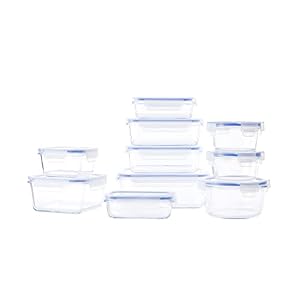
Amazon Basics Glass Locking Lids Fo…
Make sure this fits by entering your model number. 20-piece set includes 10 borosilicate glass bases…