
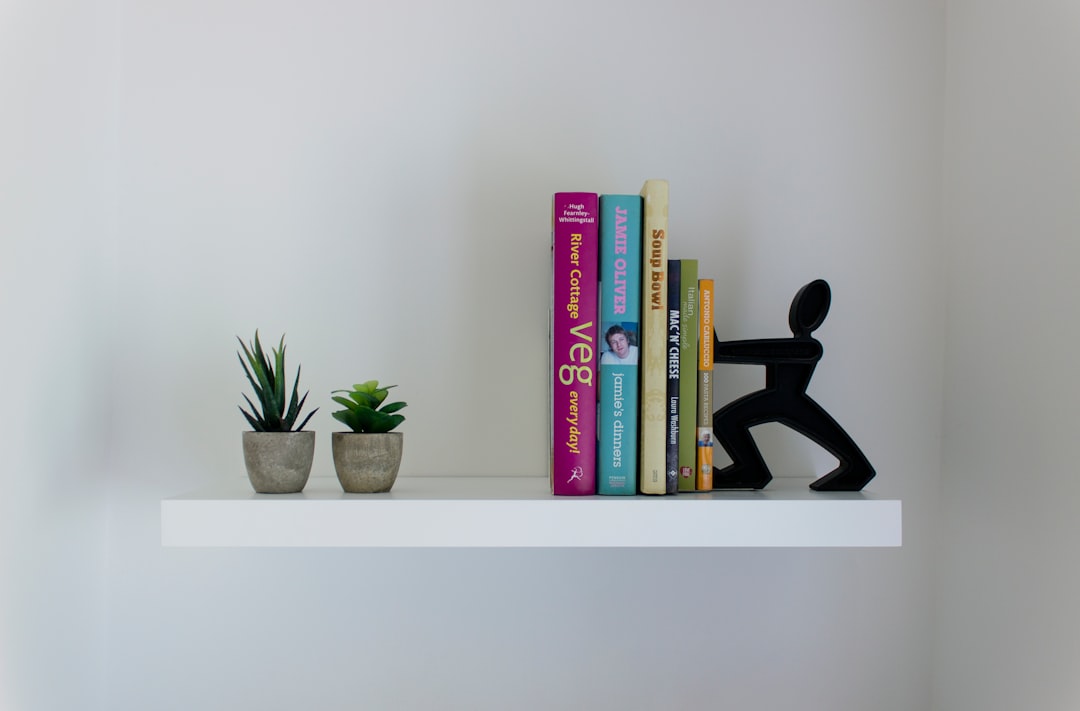
How to Style Shelves with Simple Decor Pieces
Shelves are one of the easiest ways to add personality and function to a room. With a few well-chosen pieces and a bit of structure, your shelves can look curated instead of cluttered.
This guide gives practical, repeatable approaches to styling any shelf—open bookcases, floating shelves, kitchen open shelving—using simple decor pieces you likely already own or can source easily.
Start with a clean slate
Remove everything and sort items into keep, relocate, and donate piles. Wipe down surfaces and check for dust and stains before you restyle. If you need supplies for a deep clean or regular upkeep, check the Cleaning Supplies category to make the job faster and less messy.
Choose a style and color palette
Decide on a clear style (modern, farmhouse, minimalist, eclectic) and a simple palette of two to four colors. Limiting tones creates cohesion across different items—books, ceramics, frames, and plants. For inspiration and accent pieces that fit a chosen palette, browse the Home Decor collection to find items that match your look.
Layer heights and textures
Good shelf styling depends on contrast. Mix tall and short objects, glossy and matte finishes, and soft textiles with hard surfaces. Start with a taller object as an anchor, then layer mid-height and low items in front. Use differing textures—wood, metal, ceramic, woven—to add interest without adding clutter. A small selection from the Vases & Accent Pieces category is an easy way to add texture and height to a single shelf.
Groupings and odd numbers
Group items into small vignettes. Aim for odd-numbered groupings (three or five) which tend to look more naturally arranged than even-numbered sets. Combine items of varying heights within each group: a short bowl, a mid-height vase, and a low stack of books. Consider a statement piece like the Bookend Vase for Flowers to anchor a book shelf or to break up rows of books with shape and openness.
Add small functional accents
Simple, functional accents make shelves useful as well as decorative. Think coasters, small trays, candleholders, or a neat box for remotes and chargers. These items reduce visual noise while serving a purpose. A compact set like the Mckanti 8 Pcs Drink Coasters with Holder is ideal for living-room shelving that doubles as a serving spot—functional, tidy, and decorative.
Style kitchen and pantry shelves for form and function
Open kitchen shelving is both display and storage. Keep frequently used items accessible and attractive: stacked plates, clear canisters, a neat row of glasses, or a small cutting board. Reserve one shelf for purely decorative items to avoid a utilitarian look. To find decor and serving pieces that work on kitchen shelves, check the Kitchen Decor selections for cohesive options that mix function and style.
Incorporate greenery and seasonal accents
Greenery brings life and scale to shelves. Use a combination of real plants and low-maintenance faux options where light is limited. Rotate small seasonal accents—candles, wreaths, or holiday figurines—to refresh the display without a full restyle. For a long-lasting anchor that adds height and texture without maintenance, consider a faux tree like the Artificial Olive Tree – 6FT Tall, which works well beside or near tall shelving.
Style large bookcases and built-ins
For tall units, apply the same rules scaled up: create vertical rhythm by alternating books and objects, leave some breathing room, and use closed storage to hide bulkier items. Position heavier items on lower shelves and lighter, more delicate pieces higher up. If you’re planning a display for a narrow, multi-shelf unit, products like the LINSY HOME 5-Shelf Bookcase show how a tall narrow silhouette can host layered styling without overwhelming a room.
Maintenance: keep it fresh
Revisit your shelves every few months. Remove, dust, and edit. Swap one or two items seasonally to keep the look current without a full overhaul. Simple maintenance prevents shelves from becoming catch-alls and preserves your original styling intent.
Quick checklist
- Start empty: clean and sort before styling.
- Pick a 2–4 color palette and a style direction.
- Anchor with tall items, layer with medium and low pieces.
- Use odd-numbered groupings and mix textures.
- Add at least one functional item and one plant or faux green.
- Schedule a quarterly edit to dust and refresh.
FAQ
- How many items should be on a single shelf? Aim for 3–6 items per shelf, arranged in small groups rather than a single row.
- What’s the easiest way to make mismatched items look cohesive? Tie them together with a shared color or texture—e.g., a neutral tray or a set of similar-tone vases.
- Can functional storage be attractive? Yes—use matching containers, baskets, or decorative boxes to keep function hidden and appearance tidy.
- How do I style shelves in a small room? Keep shelves light and airy: fewer items, open space, and low-contrast colors to avoid visual clutter.
- How often should I change shelf decor? A small refresh every season or quarterly keeps displays feeling intentional without being time-consuming.
Conclusion
Styling shelves successfully comes down to planning, balance, and restraint. Start clean, choose a limited palette, mix heights and textures, and add one or two functional pieces. With these steps you’ll create displays that look curated and stay useful—no overhaul required.
Products Featured in This Article

Mckanti 8 Pcs Drink Coasters with H…
🍷What You Get: You will get more quantity and more multiple styles coasters from us than…

Artificial Olive Tree – 6FT T…
✅ Natural Elegance: Our lifelike Cozy Flora 6FT Artificial Olive Tree, an indoor decor masterpiece, boasts…

Bookend Vase for Flowers – Cu…
Home Office Charm: Elevate the aesthetic of your home office with this charming Bookend Vase. Its…

LINSY HOME 5-Shelf Bookcase, Narrow…
Make sure this fits by entering your model number. ADJUSTABLE SHELF DESIGN: With three adjustable shelves…