
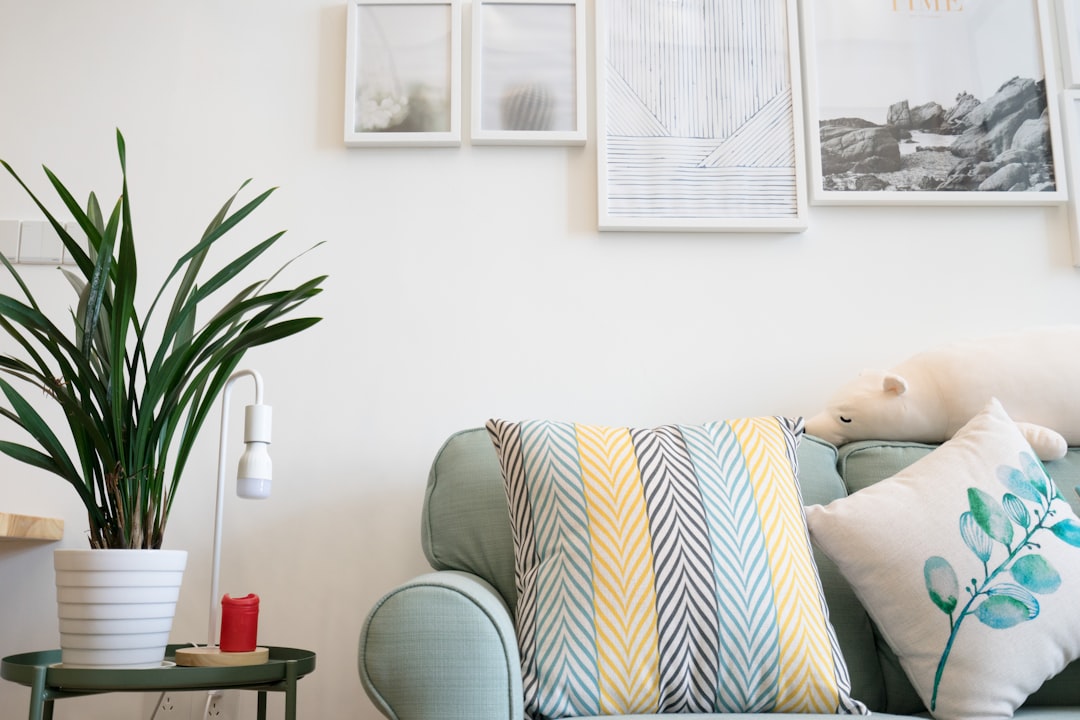
Home Decor Mistakes That Can Make Your Space Look Cluttered
Clutter isn’t always about the amount of stuff you own — it’s often about how you arrange and present it. Small decorating choices can quickly make a room feel busy, cramped, or chaotic even when the square footage is fine.
This post outlines the most common decor mistakes that create a cluttered look and gives practical fixes you can apply today to simplify, organize, and brighten your home.
1. Over-accessorizing surfaces
One of the fastest ways to make a room feel cluttered is to cover every surface with small objects: trinkets, candles, figurines, and vases. Instead of scattering many tiny pieces, curate a few meaningful accents and allow negative space on shelves and tables.
Choose one or two statement pieces from a category like Vases & Accent Pieces and remove anything that doesn’t contribute to the mood you want. Larger, higher-quality accents read as intentional; lots of minis read as clutter.
2. Wrong furniture scale for the room
Furniture that’s too large will crowd a room; furniture that’s too small can make a space feel disjointed and overfilled with pieces. Measure before you buy and plan clear walking paths and visual breathing room around each item.
If you’re rethinking big items, start by reviewing your layout options or selecting pieces from the broader Furniture category that better match your room’s proportions.
3. Countertops and tabletops treated as drop zones
Kitchens and entryways often become accidental dumping grounds. Mail, keys, dishes, and small appliances multiply quickly and create visual chaos.
Limit what sits on counters and invest in smart storage to keep essentials out of sight. For kitchen and dining clutter, explore purpose-built Kitchen storage solutions that free up surfaces and make the room feel orderly.
4. Too many competing patterns and colors
When every pillow, rug, and artwork piece fights for attention, a room reads as noisy. A simple color palette and a restrained mix of patterns go a long way toward calming a space.
Start by selecting two dominant colors and one accent color, then pare back accessories that don’t fit. If you need inspiration or replacement items, browse the curated selections under Home Decor for cohesive options.
5. Ignoring vertical space and storage options
People often focus on floor-level storage and miss opportunities on walls. Vertical storage and taller, narrow cabinets keep items accessible without taking up much floor space, reducing visual clutter.
Consider a tall storage piece like the VECELO 4-Tier Tall Narrow Storage Cabinet for bathrooms, laundry areas, or tight corners — it’s an efficient way to corral items without overwhelming the room.
6. Visible cords, chargers and tech clutter
Cables, power bricks, and devices left on counters or tables instantly make a space look lived-in and messy. Simple cable management, a charging station, or concealed power strips can tidy things dramatically.
If you need discreet ways to hide waste and keep surfaces tidy, swapping an exposed bin for a hands-free option like the iTouchless 13 Gallon SensorCan keeps unsightly trash contained and reduces visual distraction in kitchens and living spaces.
7. Poor lighting that creates shadows and visual noise
A dim room reads as smaller and cluttered because details are lost in shadow. Layer lighting — ambient, task, and accent — to brighten corners and highlight important surfaces rather than everything at once.
Correct window treatments and wall decor choices also influence light. Choosing appropriate options from Wall & Window Decor can maximize natural light and reduce the need for excessive accessories that try to compensate for a dim room.
8. No routine for decluttering and cleaning
A one-time tidy won’t keep clutter away. Regular micro-routines — 10 minutes in the morning and 10 minutes at night — prevent accumulation and maintain intentional surfaces.
Make cleaning and maintenance easy by keeping tools accessible. A good vacuum or accessories from Vacuum Cleaners & Accessories and a simple daily checklist make upkeep less daunting and reduce the temptation to pile things into sight.
Quick Declutter Checklist
- Clear one surface completely — choose tabletop, counter, or mantel.
- Keep only 3–5 curated accents per surface area.
- Store seldom-used items in vertical cabinets or closed bins.
- Bundle and hide cables; create a dedicated charging station.
- Schedule two 10-minute daily tidies and a weekly deep clean.
FAQ
- Q: How many decor pieces should I display on a shelf?
A: Aim for 3–5 items per shelf area and vary heights; leave some negative space to avoid visual clutter. - Q: What’s the best way to hide kitchen clutter?
A: Use dedicated storage like pull-out drawers, tall cabinets, or targeted VECELO 4-Tier Tall Narrow Storage Cabinet pieces to keep surfaces clear. - Q: Do plants add clutter or reduce it?
A: A single well-placed plant can make a room feel intentional and calm; avoid scattering many small planters that add visual busyness. - Q: How can I make small rooms feel less crowded?
A: Use proportionate furniture, pared-back accessories, light colors, and vertical storage. Replacing bulky bins with sleeker options like a hands-free trash can can help — consider the iTouchless 13 Gallon SensorCan. - Q: How often should I reassess decor to prevent clutter?
A: Every season is a good cadence: rotate or replace a few pieces, purge items you haven’t used in six months, and refresh storage solutions.
Conclusion
Cluttered decor usually comes down to a few avoidable choices: too many small items, poor furniture scale, and a lack of storage or maintenance routines. Prioritize clear surfaces, intentional accents, and storage that hides rather than hides away—then stick to brief daily habits to keep your home looking open and calm.
Practical takeaway: pick one surface, remove half the items, and replace them with one purposeful piece; build storage solutions from there and schedule short daily tidy sessions to maintain the result.
Products Featured in This Article

VECELO 4-Tier Tall Narrow Storage C…
Adjustable Shelving System: VECELO tall storage cabinet measures 14.57" W x 11.42" D x 65.35"H with…

iTouchless 13 Gallon SensorCan Touc…
Make sure this fits by entering your model number. 100% Touchless – Just the Motion of…